Does Medicare Cover Walk-In Tubs? What Really Pays (And What Doesn’t)
You're helping a parent, a spouse, or yourself stay safe in the bathroom. A walk-in tub looks like a good answer. Then you see the price and wonder: Does Medicare cover walk-in tubs?
The short answer is no, but there are other plans and grants that can help cover costs under certain conditions. This guide walks through each one in plain terms, so you know where to look and what to ask.
The Short Answer
Original Medicare almost never covers the cost of a walk-in tub. But some Medicare Advantage plans, state Medicaid programs, VA grants, and even your tax return can help in the right situation.
Does Medicare Cover Walk-In Tubs Under Parts A and B?
Medicare only pays for "durable medical equipment," or DME. That includes items like walkers, wheelchairs, and hospital beds. The gear has to treat a medical condition and be used in your home.
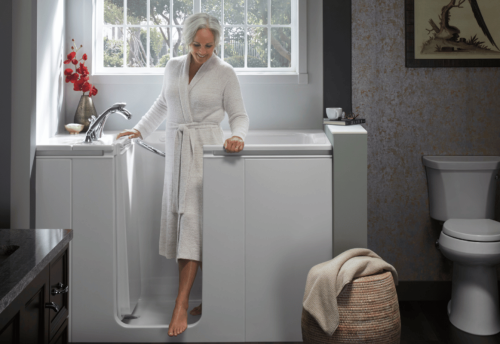
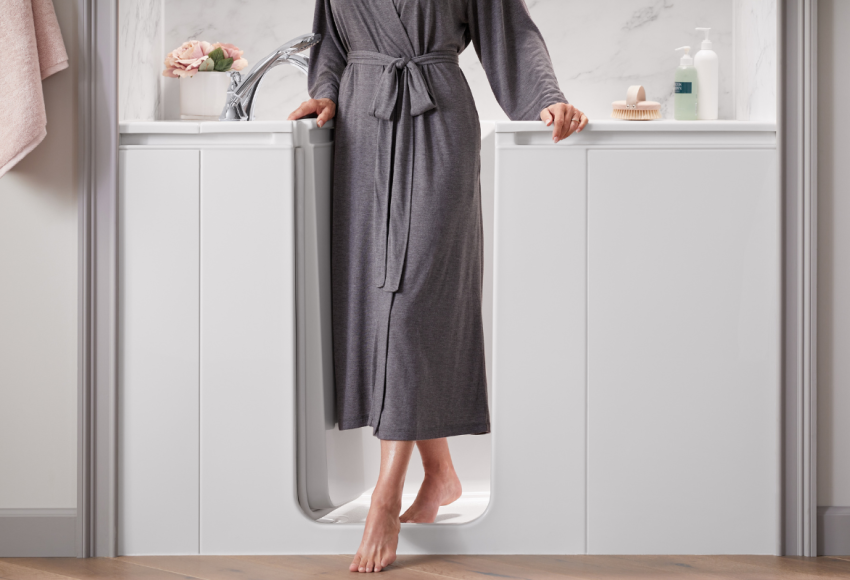
Unfortunately, Medicare doesn't see a walk-in tub that way. It's a bathing fixture built into your house as a home modification or convenience item, not a medically treating item.
Be wary of everything you read online. Some claims say that you can get a partial reimbursement with a detailed prescription from a Medicare-enrolled supplier, but don't count on it. Claims are reviewed on a case-by-case basis, and denials happen more often than not.
Additionally, don't believe advertisements that sometimes imply that Medicare will pay for a tub. Always ask your coverage provider if and what it will cover before you sign anything.
Will Medicare Advantage Pay for a Walk-In Tub?
Does Medicare cover walk-in tubs through Part C? Maybe, but usually not the whole thing. Medicare Advantage plans are run by private insurers, and many add extra benefits. Those can include home safety items.
Kaiser Family Foundation data reports that in 2025, about 24% of individual Medicare Advantage plans and 54% of Special Needs Plans covered bathroom safety devices like grab bars. Only 0.1% of individual plans and 6.6% of Special Needs Plans covered structural changes, and a walk-in tub is closer to a structural change.
Questions to Ask Your Plan Provider
If you're not sure what your current plan covers, ask! That's what your provider is there for, after all. Run through this quick list of questions to cover all of the bases and make sure you're getting the most from your plan:
1. Does the plan cover bathroom safety or home modification benefits?
2. Is a walk-in tub on the list, or only grab bars and shower seats?
3. Is there a yearly dollar cap to how much you'll cover?
4. Do I need a doctor's note or prior approval?
5. Do I have to use a specific vendor?
Get the answers in writing if you can. This is the only way to protect yourself in the event something goes wrong or your claim is denied, despite getting verbal confirmation that an installation would be covered.
Does Medigap Cover Walk-In Tubs?
Medigap, a Medicare Supplement plan, does not cover walk-in tubs either. It only helps with costs already approved by Medicare. Since Medicare doesn't approve walk-in tubs, Medigap has nothing to add.
Does Medicaid Cover Walk-In Tubs?
Some state Medicaid plans do cover parts of a walk-in tub installation through waiver programs like the Home and Community-Based Services (HCBS) waiver. This program is meant to help people age in place and stay in their homes instead of moving to a care facility.
If you apply for Medicaid coverage, you'll need a doctor's recommendation and to meet your state's income and eligibility rules. The state may also want proof that the change is a cost-effective way to meet your needs. A basic walk-in shower or grab bars may be approved more easily than a full tub.
Your state Medicaid office or local Area Agency on Aging can tell you what's offered. You can find yours through the Eldercare Locator at eldercare.acl.gov or 1-800-677-1116.
VA Grants for Veterans
Some veterans can get help through VA housing programs. Most of these are for specific, serious service-connected disabilities, so many veterans won’t qualify. According to the US Department of Veterans Affairs:
• Home Improvements and Structural Alterations (HISA): lifetime limits of $6,800 for a service-connected condition (or for any condition if you have a service-connected rating of 50% or more) and $2,000 for other conditions. You need a prescription from a VA doctor. The VA’s examples include roll-in showers, and it excludes spa, hot tub, and Jacuzzi-type tubs, so ask your local VA prosthetics office whether a walk-in tub would qualify.
• Specially Adapted Housing (SAH): up to $126,526 in fiscal year 2026, for veterans with severe service-connected disabilities, such as the loss or loss of use of more than one limb, or blindness in both eyes.
• Special Home Adaptation (SHA): up to $25,350 in fiscal year 2026, for conditions such as the loss or loss of use of both hands, certain severe burns, or certain breathing injuries.
HISA is the program most likely to apply to a bathroom change, and its limits cover only part of a typical walk-in tub. Rules and amounts can change, so confirm whether you qualify at va.gov or with your local VA office before you start planning around it.
Are Walk-In Tubs Tax Deductible?
Walk-in tub installations that are deemed "medically necessary" may be deductible on your taxes. The IRS doesn’t pay you back for the tub. It lowers the income you’re taxed on, which trims your tax bill. For most people, that’s a small slice of the cost.
But there are some limits:
• Deductions must be itemized.
• You can only deduct the part of your total medical costs that is more than 7.5% of your adjusted gross income.*
• If the change raises your home's value, you subtract that increase from the deduction first.
*How that works:
1. Multiply your adjusted gross income by 7.5% to find your floor.
2. Add up all of your medical costs for the year (doctor visits, prescriptions, home changes, etc.)
3. Subtract the floor from that total. Whatever remains is what's deductible on your taxes.
Note: This resource is for educational purposes only. Always talk to a tax professional before taking this resource as legal tax advice.
Other Ways to Pay
If the big programs don't fit, there are some smaller ones you can try. These options help some people, but most have strict rules, and none of them reliably pays for a whole walk-in tub.
Here’s who each one is really for:
• FSA or HSA funds. Best for: people who still have an FSA through work, or who already have money saved in an HSA. FSAs are tied to a job, so most retirees don’t have one, and the 2026 limit is $3,400. Once you’re on Medicare, you can’t add new money to an HSA, but you can spend what’s already in it. You’ll usually need a letter of medical necessity, and your plan decides what it approves.
• Payment plans. Best for: people who can qualify for credit. A payment plan doesn’t lower the price. It spreads it out, often with interest. Be careful with “0% for 12 months” offers, since some charge back interest if the balance isn’t paid off in time. Ask for the total you’ll pay, not just the monthly number.
• USDA home repair loans and grants. Best for: low-income homeowners in eligible rural areas who can’t get affordable credit elsewhere. Grants of up to $10,000 are only for people 62 or older with very low income, and they only cover removing health and safety hazards. Loans go up to $40,000 at 1%. Whether a walk-in tub qualifies is up to your local USDA office.
• Nonprofits and local programs. Best for: low-income homeowners who are older, have a disability, or are veterans. Groups like Rebuilding Together and Habitat for Humanity work through local chapters, each with its own rules, funding, and waitlist. They more often add grab bars or ramps than install a full tub.
Cost matters here too. Published estimates put an installed walk-in tub anywhere from about $4,000 to $18,000 or more. Our walk-in tub cost guide breaks down why the spread is so wide.
How to Ask for Coverage, Step by Step
1. Talk to your doctor. Ask if a walk-in tub or another bathing change is medically needed. Ask for a written recommendation.
2. Call your plan. Ask the questions listed above. Write down the date, the name, and the answer.
3. Check your state and VA options. Call your Area Agency on Aging or a VA office.
4. Get a denial in writing if you're denied. The letter explains how to appeal.
5. Ask a pro about cheaper options. A walk-in shower or a smaller change may do the job for less. See our page on walk-in tubs for seniors for more on aging in place.
Free help is available, too. Your State Health Insurance Assistance Program (SHIP) offers free Medicare counseling. You can also call 1-800-MEDICARE.
Get a Real Number for Your Bathroom
Once you know what help you might get, you need a real price for your home. Tell us about your bathroom, and we'll match you with a trusted local pro ready to come check your space and give you a quote you can take to your plan.
Get Matched With a Trusted Walk-In Tub Pro
Answer a few questions about your home, and we'll match you with one trusted walk-in tub installer in your area for free.
1
2
3
Answer Some Questions
Enter Your Zip
Code
Match With a Local Pro
Receive a free, no-obligation walk-in tub quote from a professional in Ohio.
Frequently Asked Questions
This article is general information, not insurance, legal, or tax advice. Coverage rules and dollar amounts change, so confirm details with Medicare, your plan, the VA, or a tax professional.