
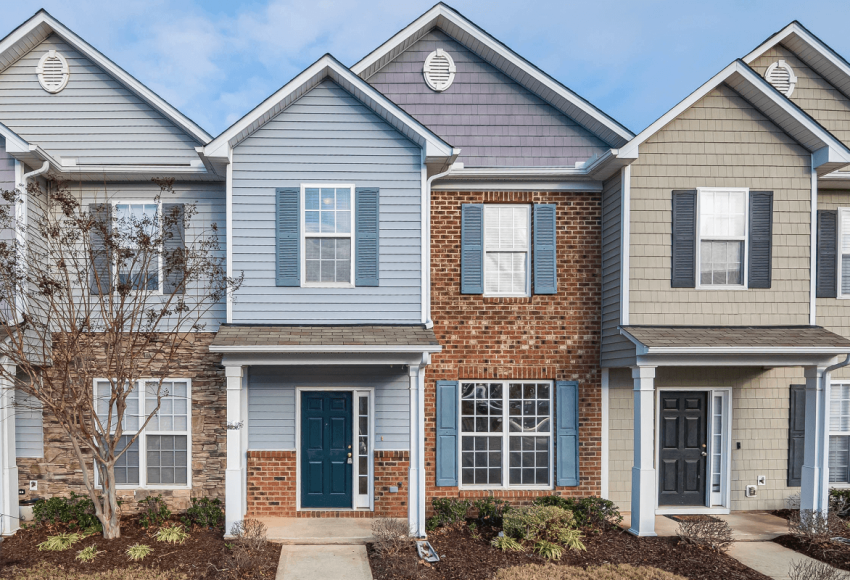
Siding Cost Guide: What to Expect in 2026
Siding cost depends on more than the material you pick. This guide walks through what actually drives the price, how the major materials compare, and how to get a quote that’s built around your actual house instead of a generic average.
QuickQuoteFinder makes getting an estimate easy. Tell us about your project, and we’ll match you with a vetted local siding contractor. Get my free siding quote →
What Impacts Siding Cost
Material Choice
This is usually the single biggest factor. Vinyl, fiber cement, engineered wood, wood, and metal all sit at different price points, and the gap between the cheapest and most expensive option is significant.
Home Size & Shape
More square footage means more material and more labor, but shape matters here almost as much as size. A simple rectangular house with few corners installs faster than one with dormers, bump-outs, and lots of trim detail, even at the same square footage.
Removal & Disposal
If your old siding has to come off first, that adds labor and dumpster costs on top of the new material. A house getting sided over an existing layer (where it's structurally sound to do so) usually costs less than a full tear-off.
Hidden Damage
Once the old siding is off, it's easy to spot underlying damage. Some homes need sheathing repairs, water damage fixed, or house wrap replaced before new siding goes up. This is the part that’s genuinely hard to price until the contractor sees it in person, and it’s the most common reason a final bill lands higher than the initial estimate.
Location & Season
Labor rates vary by market, and contractors in high-demand seasons (spring and summer, mostly) often have less room to negotiate than in the slower winter months.
Siding Cost by Material
Here’s how the main siding materials compare against each other, from typically least to most expensive:
Vinyl Siding
Budget-Friendly
Vinyl is the most common siding replacement material and usually the least expensive option upfront. It doesn't need painting, holds up well against moisture, and comes in a wide range of colors and styles.
The trade-off: it can crack in extreme cold and fade over time in direct sun, and its color options are more limited than what you'd get with paint.
Engineered Wood Siding
Budget-Friendly
Engineered wood is another popular siding material that sits just above vinyl in price. It offers a more traditional "wood-like" look with better impact resistance than vinyl. Most versions come pre-primed or pre-finished, which reduces maintenance compared to real wood.
The trade-off: it still needs more maintenance than some of the other siding materials to prevent fading and weather damage.
Fiber Cement Siding
Mid-Range
Fiber cement siding is made from a mix of cement, sand, and wood pulp. It's more expensive than vinyl or engineered wood because it's one of the most durable options available. Fiber cement is resistant to fire, pests, and rot, and it holds paint far longer than wood.
The trade-off: It's heavier and more labor-intensive to install, which is part of why the labor portion of the bid tends to be higher.
Wood Siding
Mid-Range
Wood siding can get pricey, depending on the type of wood you choose, and it carries the highest ongoing maintenance cost of any option here. Homeowners who choose this option are usually doing so for the look, especially on older or historic homes.
The trade-off: it's high-maintenance; regular painting or staining is not optional if you want it to last.
Metal Siding
Mid- to High-Range
Metal siding, particularly steel, tends to land in the higher range too, but it's extremely durable and close to fireproof. It's less common on residential homes than the other options but worth knowing about if durability is the top priority.
The trade-off: unless paired with extra backing insulation, metal can be a poor insulator for temperature and noise.
Stone Siding
High-End
Metal siding tends to land in the higher range too, particularly steel, but it's extremely durable and close to fireproof. It's less common on residential homes than the other options but worth knowing about if durability is the top priority.
The trade-off: it still needs more maintenance than some of the other siding materials to prevent fading and weather damage.
Siding Material Costs and Lifespan
Labor vs. Material Costs
Labor can take up almost half of the total cost for most siding installation jobs, depending on the complexity of your home’s exterior. That’s worth knowing because it explains why a simpler house can sometimes cost less per square foot to side than a similar -sized one with lots of corners, windows, and trim to work around, even with the same material.
It also explains why the cheapest material isn’t always the cheapest overall project. A more expensive material installed on a simple, low-labor home can land close to a mid-range material installed on a complex one.
Extra Costs Worth Budgeting For
A few line items catch homeowners off guard if they’re only thinking about the siding panels themselves:
• Trim and soffit work. Fascia, soffits, and window/door trim are often replaced or wrapped at the same time as siding, and that’s a separate cost from the siding itself.
• Permits. Most municipalities require a permit for a full siding replacement, and fees vary by location.
• Insulation upgrades. Since the wall is already open during a tear-off, some homeowners take advantage and add house wrap or rigid foam insulation at the same time, adding to the bill.
• Underlying repairs found mid-project. This is the most common line item that pushes the final cost past the initial project estimate. Asking a contractor upfront how they handle unexpected repairs helps avoid surprises later.
Getting an Accurate Number for Your Home
A vinyl siding cost calculator or a general guide like this one can only get you so far. Siding cost really does come down to the specifics of your house — its size, shape, current condition, and the material you choose. The only way to get a real number is to get a personalized quote from a professional.
Ready to get a real number for your own home? QuickQuoteFinder can match you with a qualified local pro ready to offer a free, personalized quote.
Find a Trusted Siding Professional For Your Home
Answer a few questions about your project, and we'll match you to the top-rated siding contractor in your area for free.
1
2
3
Answer Some Questions
Enter Your Zip
Code
Match With a Local Pro
Receive a free, no-obligation quote from a siding contractor in Ohio.
Frequently Asked Questions
Get Matched With Siding Professional Near You
Getting a real siding cost estimate for your home starts with talking to someone who can come out and see it. Answer a few quick questions, and we’ll match you with a qualified local siding contractor, so you get a straight answer instead of a stack of competing sales pitches.
Completely free, with no-obligation.
